Malta Itinerary : 5-day Travel Plans
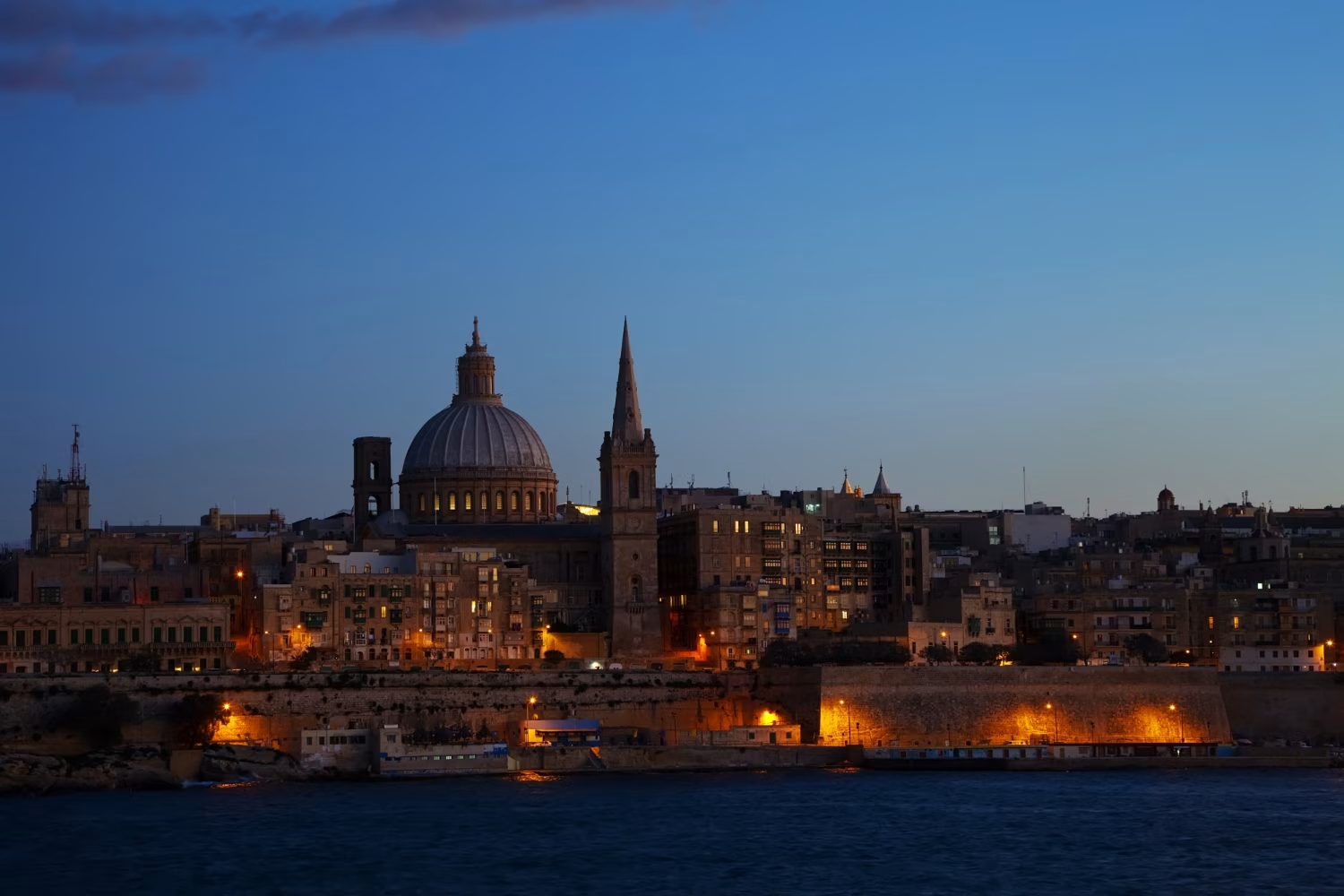
Five days is the sweet spot. Long enough to cover the highlights without feeling rushed, compact enough that you never need to change hotels.
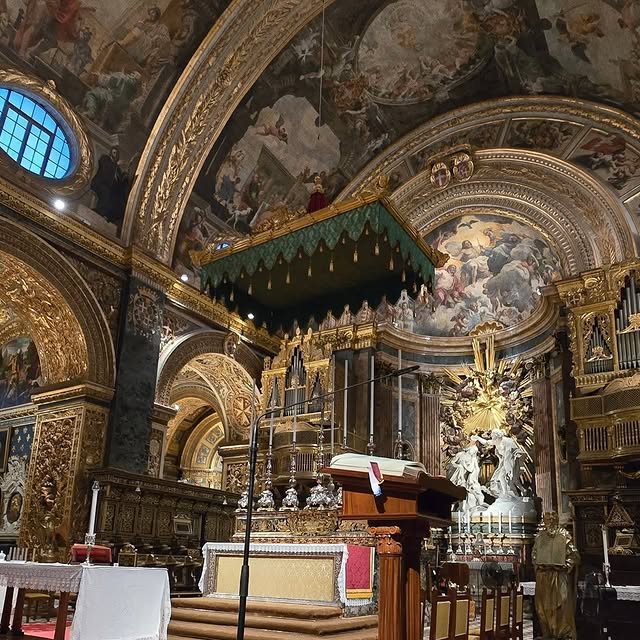
Day 1 : A Full Day in Valetta
In the afternoon, take the short ferry across to the Three Cities: Birgu, Senglea, and Cospicua. These working-class bastions are quieter than Valletta but equally historic, and the ride itself gives you a perspective of the harbour that no viewpoint on land can match.
Highlights:
- St. John’s Co-Cathedral
- Upper Barrakka Gardens
- Republic Street and the old city lanes
- Sunset ferry ride to Birgu, Senglea, and Cospicua
Day 2 : Mdina, Rabat, and Dingli
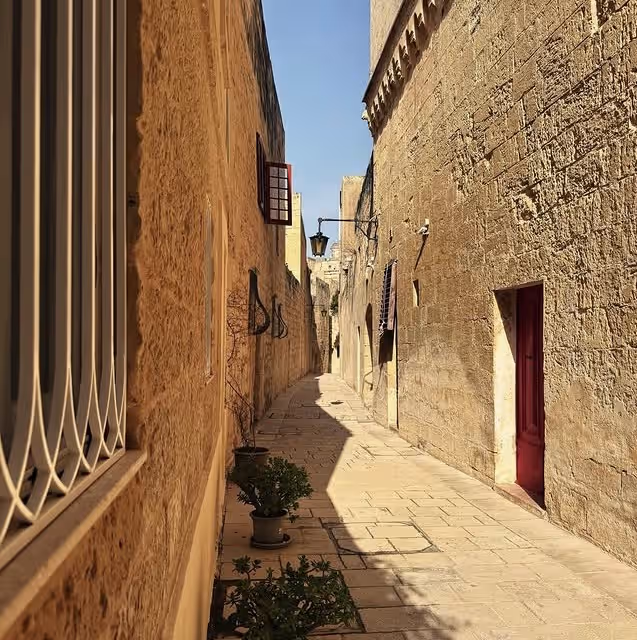
Start in Mdina, the Silent City, which served as Malta’s capital for centuries. Walk the city walls, wander the narrow limestone lanes, and visit St. Paul’s Cathedral. By midday, step into neighbouring Rabat for pastizzi (the flaky ricotta or mushy pea pastries that are as Maltese as it gets) and a look at the Roman catacombs if history is your thing.
By late afternoon, head southwest to Dingli Cliffs. At around 250 metres above sea level, these are the highest point on the island and the views over the Mediterranean at sunset are genuinely hard to beat.
Highlights:
- Mdina city walls and cathedral
- Pastizzi in Rabat
- St. Paul’s Catacombs
- Sunset at Dingli Cliffs
Day 3 : Gozo
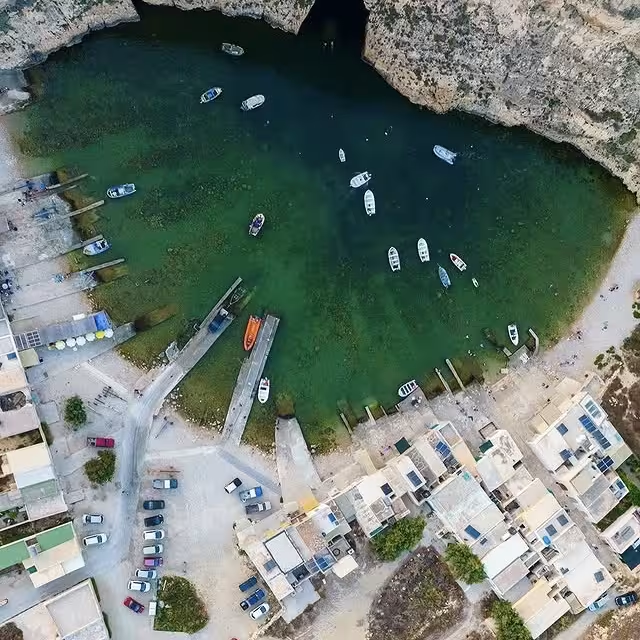
Catch the Gozo Channel ferry from Cirkewwa (roughly 25 minutes each way). Start in Victoria and climb up to the Citadel, which has sweeping views over the entire island. From there, head to Ġgantija Temples in Xaghra, which date back to between 3600 and 3200 BC, making them among the oldest free-standing structures on Earth and predating both Stonehenge and the Pyramids of Egypt. The scale of the limestone blocks is genuinely staggering when you are standing in front of them.
Spend the afternoon at Ramla Bay, one of Malta’s finest beaches. Or, head out to Dwejra Bay that is famous for its dramatic coastal scenery.
Must-see places:
- Victoria and the Citadel
- Ġgantija Temples
- Ramla Bay
- Dwejra Bay
Day 4 : Blue Lagoon
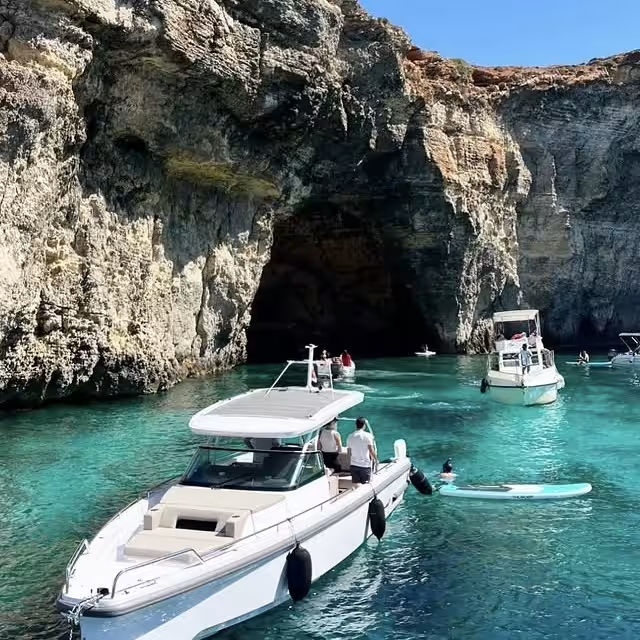
Once you are there, the water lives up to every photograph you have ever seen. Swim, snorkel, and if time allows, take a short boat detour to the Crystal Lagoon and the sea caves along the northern coast of Comino.
Activities:
- Boat trip to Comino
- Swim and snorkel at the Blue Lagoon
- Explore nearby caves and coves
- Optional stop at the Crystal Lagoon

Day 5 : Malta's South Coast
Start with a boat trip through the Blue Grotto, a series of sea caves with bioluminescent water on bright days. From there, visit Ħaġar Qim and Mnajdra, two megalithic temple complexes that sit side by side on a clifftop above the sea. Like Ġgantija on Gozo, these temples date from the Neolithic period and form part of the UNESCO's Megalithic Temples of Malta.
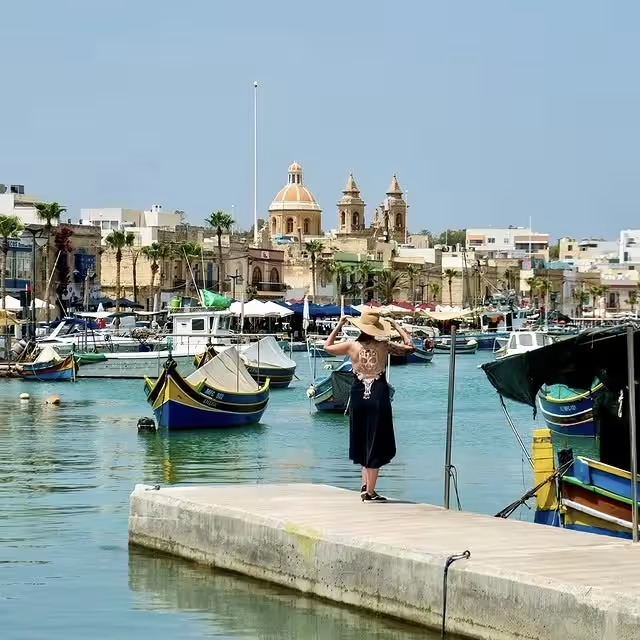
In the afternoon, drive down to Marsaxlokk, the most intact traditional fishing village on the island. The harbour is full of luzzu boats, the brightly painted wooden fishing vessels that have been part of Maltese coastal life for generations. Eat fresh fish by the water. Take your time.
Highlights:
- Blue Grotto boat trip
- Ħaġar Qim and Mnajdra temples
- Marsaxlokk harbour and luzzu boats
- Fresh seafood lunch by the water
Ready to Plan Your Trip?
Frequently Asked Questions
When is the best time to visit Malta?
April to June is the most balanced window: temperatures are pleasant, the sea is warm enough to swim from May, and crowds are lighter than peak summer. September to October is equally good, with excellent swimming conditions and a slightly quieter atmosphere. July and August are the hottest and busiest months, particularly around Comino.
What if I prefer more beaches and less sightseeing?
Replace Day 5 of the Malta itinerary with a beach day along the northwest coast. Golden Bay and Għajn Tuffieħa are the two most scenic sandy beaches on the island. St. Peter’s Pool, a natural limestone rock pool near Marsaxlokk, is also worth the detour for swimmers who prefer something more dramatic than a traditional beach.
Is Malta easy to get around without a car?
Yes. Malta has an extensive public bus network that connects most major attractions, and ferries are available between Valletta, the Three Cities, Gozo, and Comino. However, hiring a car can save time if you plan to visit several locations in a single day.
How many days do I need to explore Malta?
Five days is ideal for most visitors. It gives you enough time to explore Valletta, Mdina, Gozo, Comino’s Blue Lagoon, and Malta’s south coast without feeling rushed. If you have more time, consider adding extra beach days or spending a night on Gozo.
What should I pack for Malta?
Lightweight clothing, comfortable walking shoes, swimwear, sun protection, and a reusable water bottle are essentials. If you plan to visit churches and religious sites, it’s also worth bringing clothing that covers your shoulders and knees.